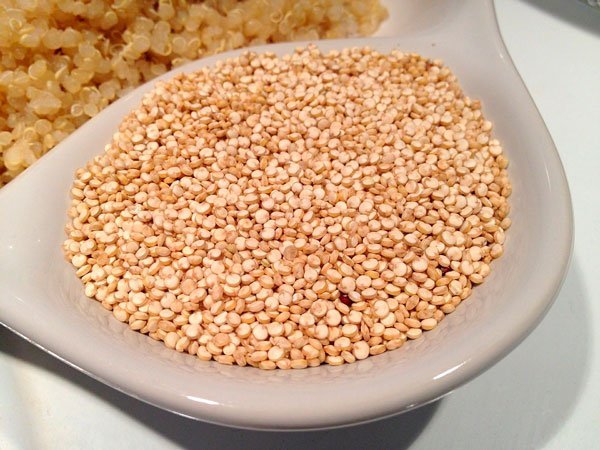
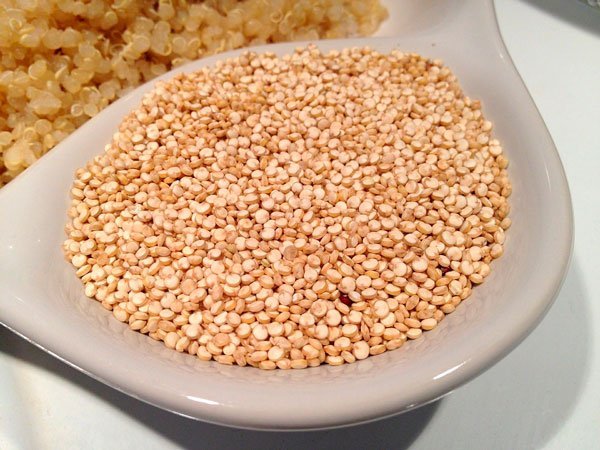
Quinoa has recently increased in popularity around the world, and has already made a name for itself as one of the most nutritious foods there may be. Compared to other whole grains, quinoa has more protein, antioxidants, minerals, and fiber. It is also gluten-free, which makes it the perfect food for people who are sensitive to gluten.
Los expertos aseguran que los granos enteros reducen el riesgo de diabetes, enfermedades al corazón y la presión arterial alta. Además de eso, recientemente se ha descubierto que la quinua es una gran fuente de nutrición para las personas que sufren de diabetes, y puede usarse como una manera saludable de mantener los niveles de azúcar en la sangre.
What is quinoa?
While it may be a new food in supermarkets in your locality, quinoa has been one of the main foods in the diet of families in South America for several centuries, since the remote times of the Incas.
Its origin is in the Andes Mountains, so it can survive the harshest weather conditions. Quinoa is known as a whole grain, since the Incas knew it as "the mother of all grains", but it is actually a seed.
Currently, there are 120 known variations of this seed, but the most popular are white, red, and black quinoa, so you're more likely to see these three variations at your local store.
Research on the benefits of quinoa is relatively new compared to research on other foods, and only in the last 30 years have experts begun to discover and investigate the health benefits of this seed.
While more research is still needed, it is currently known that adding quinoa to your diet can reduce the risk of high blood pressure and high cholesterol. It has also been shown to offer many benefits to people suffering from diabetes.
How can quinoa impact blood sugar levels?
One of the keys to living a healthy life with diabetes is managing and controlling your diet. Quinoa is a great choice for people suffering from diabetes because it is a whole grain, which is one of the key components in the healthy diet for diabetics, in addition to fruits, vegetables, lean protein and unsaturated fats.
Foods that have a high glycemic index will raise your blood sugar levels and can make them difficult to control. Quinoa, however, has a low glycemic index, which means it won't cause your blood sugar levels to rise.
While most grains do not have the amino acids needed to form a protein, quinoa has enough to be considered a complete protein. It's also a great source of fiber that doesn't impact blood sugar levels and will help you maintain your body weight, thereby preventing other chronic conditions associated with diabetes.
Easy Ways to Prepare Quinoa
Quinoa is prepared in water and cooked similarly to rice. To make it, use a cup of uncooked quinoa and two cups of water in a saucepan and bring to a boil. Once the water is boiling, reduce the intensity of the fire and let it simmer until most of the water has been absorbed. In most cases, this takes 15 to 20 minutes.
Quinoa can also be used as a healthy additive for other types of dishes. Like rice, you can add it in soups or stews to give the dish an extra delicious and healthy touch.
With all the benefits that have been discovered from quinoa, we wonder why people still use rice. For diabetics, it's the perfect grain for a healthy diet. Incorporating this little seed into your diet will help you control your blood sugar levels while maintaining a healthy weight that prevents secondary problems caused by diabetes.


I can make smoothies with this product by mixing ko with milk and drink it every day for how long
I can make smoothies with quinoa
Hello! I am diabetic. How much can I consume x day?
Hello I am diabetic and how much quinoa do I have to eat and how should I eat it. Graciad
Hello, being a required insulin, how much can I consume, because rice, for example, greatly increases my sugar levels
Hi Graciela, for this and many other queries we have our telemedicine plans, you can go to online.qenti.com and find out about all our options. Regards!
Thank you chevere to know