
Industrially processed foods, sugary drinks, and fast food are displacing more nutritious traditional diets, leading to alarming health effects. The WHO and the World Cancer Research Fund (WCRF) conclude that sugary drinks, snacks with high energy density, and ‘fast food’ cause obesity, diabetes, cardiovascular diseases, and some cancers.
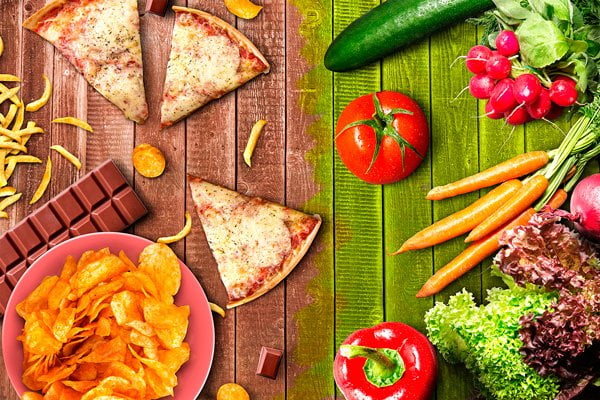
A PAHO study showed that from 1999 to 2013, annual per capita sales of ultra-processed products increased steadily in 12 Latin American countries, displacing traditional diets based on healthy foods and meals. It was also found that the increase in sales of ultra-processed products was associated with an increase in the body mass index (BMI) of adults at all levels of consumption.
What are ultra-processed foods?
Meals prepared with healthy foods are consistently associated with good health and a low risk of disease. This is due not only to its nutritional quality, but also to the sociability that surrounds meals. However, the traditional pattern of healthy eating is being displaced by ultra-processed food and drink products, which are increasing rapidly in low- and middle-income countries.
Ultra-processed products and beverages (pups) are formulations ready to eat or drink. They are based on refined substances, with a careful combination of sugar, salt and fat, and various additives. They include sugary drinks, snacks and 'fast foods'.
Compared to healthy foods and freshly prepared meals, ultra-processed products contain less dietary fiber, minerals and vitamins, but also more sugar, saturated fat, sodium, and higher energy density.
One of their characteristics is that they are easy to consume, so they can easily replace meals and dishes prepared from foods that are nutritious. Furthermore, they are promoted and offered through mechanisms that are deceptive, attempting to imitate natural foods or traditional dishes, using additives that reproduce aromas, flavors and colors. They also create a false impression of being healthy, by adding synthetic vitamins, minerals and other compounds, allowing manufacturers to make 'health claims', which are false.
Most of these products are highly profitable because they are produced by transnational companies and other large corporations that operate economies of scale, purchasing or manufacturing the ingredients in their composition at very low prices.
The considerable profits obtained are partially invested in advertising and marketing with the aim of making these products more attractive and even glamorous, especially for vulnerable consumers, such as children and young people.

Current trends in the production and consumption of ultra-processed products, and increases in body mass index (BMI), can possibly be reversed through regulations and other actions such as those established to control the availability and advertising of tobacco and alcohol, and increasing their cost through taxes. This regulation in the food industry must cover the labeling, promotion and advertising of ultra-processed products.
It is also necessary to improve the availability and accessibility of healthy foods to the entire community through the adoption of specific policies and regulatory actions so that healthy options are within reach of the entire population and, above all, supported by educational programs because children and adolescents spend many hours in institutions, this being the place where they choose to buy and consume them.
Another of the many necessary actions includes the protection of family farming, the regulation of food advertising to children, and promoting the acquisition of healthy habits, including the consumption of fresh products such as fruits; and encourage traditional and family culinary practices.
Lic. María Belén Soria Urizar – m.p. 4047
Nutrition Area
La Posada del Qenti

