Among the many natural antioxidants found in our foods, vitamin E is a great ally for our skin, as it helps to reduce the damaging effects caused by free radicals. As this is a fat-soluble vitamin, it is primarily found in vegetable oils (prefer cold-pressed or extra virgin oils, as in this case the processing is minimal and the essential nutrients are retained), dried fruits (almonds, walnuts, hazelnuts), sunflower seeds and fruits. On the other hand, omega-3 and omega-6 are necessary to maintain cell membranes. These membranes act as a barrier against harmful substances and also allow waste products to be eliminated. Foods such as salmon, trout, sardines, seeds (mainly chia), walnuts, canola oil and olive oil are sources of essential fatty acids.
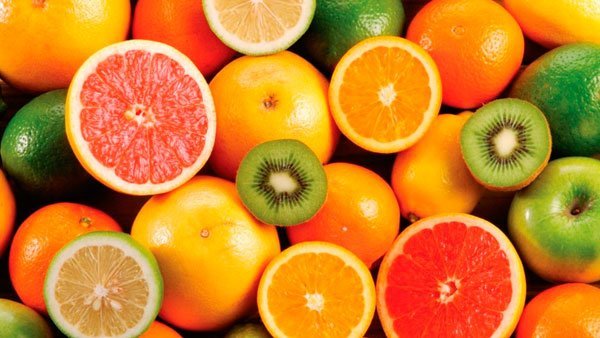
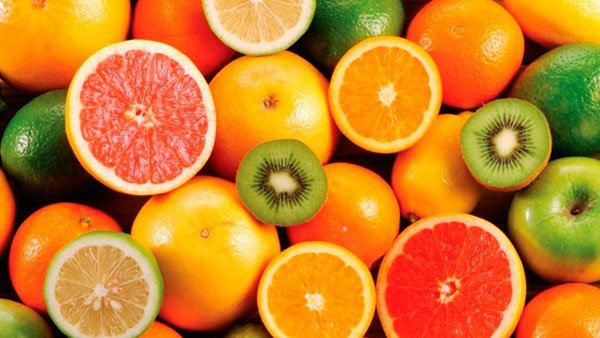
Vitamin C has high antioxidant power and is also linked to collagen production. Citrus fruits such as oranges, lemons, grapefruits and kiwis contain significant amounts of this vitamin. Opt for salads, juices, and fresh fruits, avoiding cooked ones, as a significant portion of their vitamin C is lost during cooking and upon contact with oxygen in the air. A kiwi provides twice as much vitamin C per 100 g as an orange.
Found in foods of animal origin such as dairy products and egg yolks, pro-vitamin A or beta-carotenes, which are then converted into vitamin A when processed in our body, play a very important role in the renewal of skin and mucous membranes. These are abundant in orange vegetables (carrots, pumpkin), broccoli, and dark green leafy vegetables.
Regarding minerals, we should highlight selenium, which is found in meat, fish, grains, fruits and vegetables. These foods are also a source of zinc, which is part of our epidermis. Green tea, due to its polyphenol content, has anti-inflammatory properties and protects cell membranes. Water keeps cells hydrated and promotes sweating, which helps eliminate toxins. It is essential to stay well hydrated for healthier skin.
So… We recommend consuming 5 servings of fruits and vegetables per day, of which one serving of vegetables should be orange and dark green and one serving of fruit should be a citrus fruit. At the same time, include dried fruits such as walnuts, almonds, and 1 tablespoon of seeds as part of a complete breakfast. Also, dress your salads with 1 tablespoon of olive oil at lunch and dinner, add fish 3 to 4 times a week, and most importantly, drink 8 glasses of water a day.
María Soledad Del Boca
La Posada del Qenti