
Stress is a natural process of the human body, which generates an automatic response to external conditions that are threatening or challenging, that require a mobilization of physical, mental, and behavioral resources to cope with them, and that sometimes disrupt a person's emotional and physical balance.
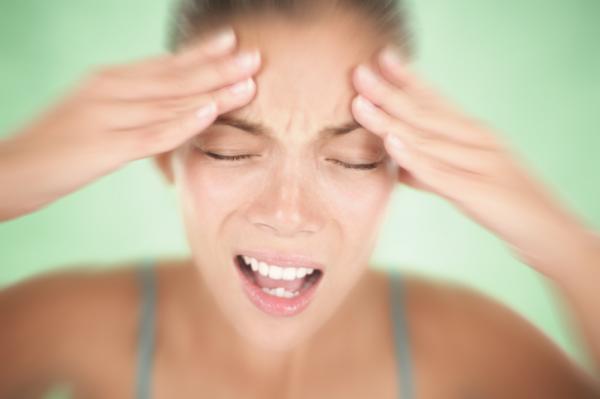
The constantly changing environment forces individuals to use their resources to adapt to these changes. Therefore, a certain amount of stress is necessary for the body to respond appropriately to the challenges of daily life. This amount of stress is functional.
Although the stress response is initially necessary and adaptive, when it is prolonged and intensifies over time, what we call chronic stress appears – being in a constant state of alertness. This is the exhausting stress that wears a person down day after day. It wreaks havoc through long-term wear and tear. It is the stress of relentless demands and pressures over seemingly endless periods of time.
Symptoms of Chronic Stress
It is important to pay attention to your physical and psychological symptoms in order to get out of this situation. Generally, chronic stress manifests itself in different ways:
- Digestive system diseases, skin diseases, and heart problems.
- Feelings of insecurity and the feeling of learned helplessness.
- Insomnia
- Disorder
- Depression
- • Emotional exhaustions
- Alcohol or substance abuse.
These symptoms and many others not only affect the person, but also their immediate environment, often making healthy interpersonal relationships difficult.
Yanina Silvestri
Psychologist, MP: 7614
La Posada del Qenti


I need to know the rates for three or four days, due to stress.
Ana María, thank you for your inquiry. You will receive all the information by email. Best regards!
I need a quote for three days due to stress
Marisa, we'll be sending all the information to your email. Best regards!
Quisiera saber el costo por día para adelgazar y tratamiento del estrés.
Muchas gracias.
Marta, we'll be sending all the information to your email. Best regards!
Estiimados , estoy con este sintoma Burtnout y me gustaría saber el costo de la estadía semanal..
Vivo en Bs As .provincia
Podría tomar del aeropuerto de palomar el flybondi. .
Aguardo sus comentarios o sugerencias.
Patricia
Patricia, we'll be sending all the information to your email. Best regards!
Hello. I identify with the symptoms of chronic stress. I would like to spend a few days working toward the goal of reducing it.
Silvia, we'll be sending all the information to your email. Best regards!
I would like to know the cost of one week in February for two people. Thank you.
Laura, we'll be sending all the information to your email. Best regards!
I have symptoms of chronic stress. I would like to know the cost of treatment.
Monica, we'll be sending all the information to your email. Best regards!
Hola buena tarde!
me gustaría recibir información, para realizar sobre el tratamiento para adelgazar y para el estrés.
Gracias y saludos!
Adriana, we will send all the information to your email. Best regards!
Good morning. Could you please let me know the price per week or per day? Thank you very much.
Beatriz, thank you for your inquiry. You will soon receive all the information by email. Best regards!
Thank you, Fernanda. We'll reply to your email shortly. Best regards!
Thank you, Susana. We'll reply to your email shortly. Best regards!
Thank you, Sandra. We'll reply to your email shortly. Best regards!
I would like information about one or more deals for one person and a guest or for two people, for a few days or a week. Is it pet-friendly? I would have to bring my kitten.
Susana le responderemos a la brevedad a su correo.
Regards!
Buen día, quisiera saber costó de 3 a 5 días para dos personas, para estresa y adelgazar, o para estresa solo
Thank you for your inquiry. We will send all the information to your email shortly. Best regards!