“Breakfast like a king, lunch like a prince, and dinner like a beggar”.
Will there be any truth to it?
Breakfast as the word says (Des-fasting) means breaking the fast that occurs between dinner and the first meal after the hours of rest. When we wake up, we have a limited amount of glucose (energy) to use, after 45 minutes of starting our day the amount of glucose is exhausted and we enter what can be called a prolonged fast, if we have not had breakfast in that time, in which our brain detects this lack of "fuel" and enters a state of alert since it needs to store the greatest amount of energy because it does not know when it will be able to replenish the lost reserves. As a result, when we eat a food again, our body stores it as fat (which is a larger energy reserve than glucose) so that on future occasions the same thing will have reserves to obtain energy.
This whole process has major consequences for our body, since starting the day on an empty stomach is linked to a lower capacity for concentration and intellectual performance, a worse mood and a feeling of tiredness, promotes constipation, and increases the risk of obesity, diabetes and heart attacks
A very common excuse among those who do not drink anything in the morning is that when they get up they are not hungry. Have they stopped to think that perhaps they dine too much? During the night the emptying of the stomach is delayed, which slows down intestinal transit.
When dinner is late and very copious, it is logical to get up with little desire to eat, but if we do not eat anything in the morning it contributes to perpetuate the vicious circle since it has been shown that people who do not eat breakfast have a greater accumulation of appetite throughout day, especially during the afternoon/ evening.
One of the characteristics of people who manage to lose weight and maintain it is precisely that they make a good breakfast. When there is a prolonged fast and then we eat a lot, it is easier for those calories to accumulate in the form of fat. To maintain balance you have to make at least four meals a day (breakfast, lunch, snack and dinner).
What is considered making a good breakfast?
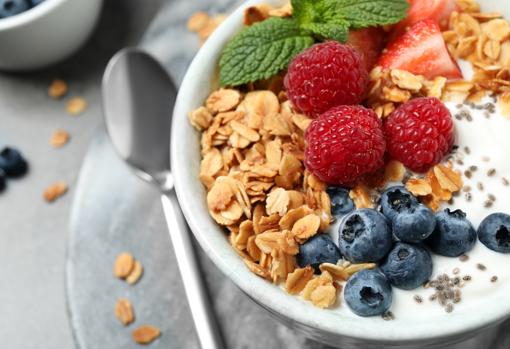
A good breakfast should consist of:
- A dairy product, which can be milk, yogurt, cheese, or eggs, as they provide us with proteins and high biological value and help us feel fuller.
- Cereals (whole-grain, bran, multi-grain, French breads, cornflakes or fibres), a key food that provides carbohydrates as a source of energy and protein to maintain muscles and other organs.
- Fruits, fill your day with vitamins and antioxidants. Fruits also provide you with fiber, essential for good digestion.
- Water. It is always important to start hydrating little by little from the beginning of our day so that we can consume 2 liters of water per day.
In conclusion, breakfast is the most important meal of the day because it provides our body with nutrients and energy to keep it active for the rest of the day.
…and you, have you had breakfast today?
Danila Macaren Alonso
M.P.: 4079
Nutrition area of La Posada del Qenti

