
Today, more and more people are looking to change their diets and are choosing vegetarianism and its various forms. The pros and cons are important when making a decision.
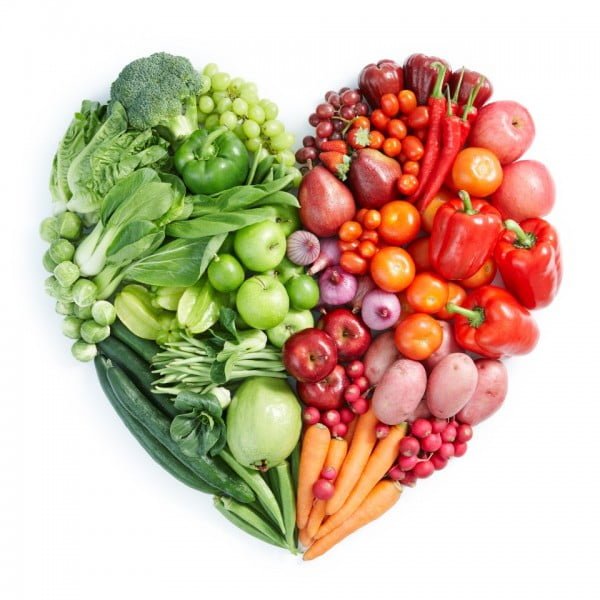
(Buenos Aires, August 2015). Various health associations, including the American Dietetic Association, Dietitians of Canada, and the Spanish Association of Dietitians, affirm that properly planned vegetarian diets are healthy and nutritionally adequate.
The associations agree that these plans provide health benefits in the prevention and treatment of diseases, especially metabolic diseases such as obesity, diabetes, insulin resistance, hypertension, and all the risk factors associated with them.
But when we talk about vegetarians, we have to take into account the different classifications. Vegans are people who only consume products of plant origin (vegetables, fruits, seeds, grains, and vegetable oils). Ovo-vegetarians consume the items listed above, plus eggs. Ovo-lacto vegetarians add dairy products and derivatives. Fruitarians only eat fruits from plants and seeds. Raw foodists only consume raw products of plant origin.
Today, there are more ovo-lacto vegetarians and vegans, as well as flexitarians, who occasionally eat fish or a serving of white or red meat.
When assessing whether this type of diet meets nutritional needs, we should highlight that the most critical nutrients are iron and vitamin B12.
“Vegetarians only get iron from dairy products, eggs, and some vegetables, but this iron is very poorly absorbed, whereas the iron available in foods of animal origin is highly absorbed. Vitamin B12 (necessary for DNA synthesis and red blood cell regulation) is found exclusively in the animal kingdom and is not provided by plants,” explains Sandra Villarreal, nutritionist at Posada del Qenti.
There are other vitamins and nutrients to watch out for in these types of diets:
- Calcium is a mineral that is highly available in vegetarian diets, although its absorption is reduced by some substances that are very common in these diets. That's why we need to strike the right balance.
- Zinc is limited by the high amounts of fiber present in these diets, whereas animal protein promotes its absorption.
- Vitamin D is a nutrient typically found in the animal kingdom, but it is also obtained through exposure to sunlight.
- Vitamin A is present due to the high intake of fruits and vegetables, meeting the body's needs and compensating for the lack of retinol or animal-based vitamin A.
- Protein can easily be supplemented from legumes (soybeans and their derivatives, lentils, and peas), eggs, and dairy products.
Among the greatest benefits, vegetarian children and adolescents have a low intake of cholesterol, saturated fats, and total fats due to their high consumption of fruits, vegetables, and fiber. The breast milk of vegetarian mothers is nutritionally adequate and similar to that of non-vegetarian mothers. In addition, ovo-lacto-vegetarian children show similar growth to their non-vegetarian peers.
"Based on these criteria, we do not discourage those who decide to switch to a vegetarian diet, as long as they follow a plan tailored to each individual and guided by health professionals," Villarreal concludes.

