
Hyperglycemia is the medical term used to define a high blood glucose level. This occurs when your blood sugar rises above your ideal average level
Any one or a combination of the following can cause high blood sugar:
- Reduced insulin production in your body due to the progression of diabetes.
- Missing or forgetting to take or administer diabetes medication (insulin or pills).
- Eating too many carbohydrates and not doing any physical activity afterward.
- Not having good eating habits.
- Excessive consumption of sugary drinks and non-whole-grain baked goods
- Doing little physical exercise.
- Taking other medications that may raise blood sugar.
- Having an infection or illness.
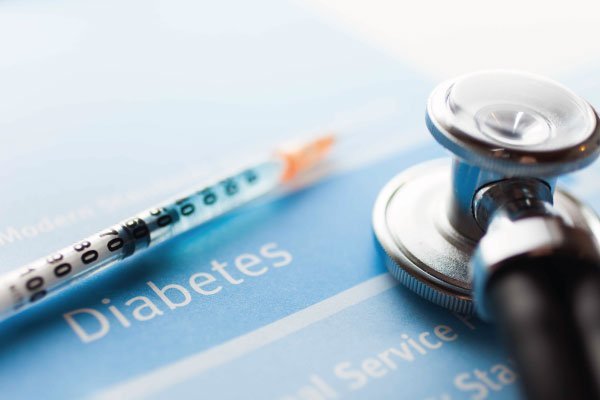
Warning signs of hyperglycemia
The way in which each individual experiences hyperglycemia (high blood sugar) is personal, but common signs and symptoms are identified:
- Increased thirst
- Increased frequency and volume of urination
- Tiredness, fatigue.
- Dry skin, itching
- Headaches
- Poor wound healing
- Abdominal pain
- Fainting/diabetic coma (if high blood sugar is ignored for an extended period of time)
Precautions and warning signs
One or more of the symptoms listed above may alert you that you have hyperglycemia.
These symptoms can be very mild and can be aggravated or caused by other reasons.
Sometimes people are tempted to ignore warning signs, which is dangerous.
The best way to know if your blood sugar level is within the appropriate range is to check your blood glucose regularly.
You should consult your diabetes doctor if:
- You have had three or four consecutive instances of high blood sugar.
- You experience high levels of sugar in your urine more than three times in a row.
- Records two or more high blood sugar readings within a 24-hour period with self-monitoring.
- Record a high blood sugar level at the same time for several days in a row.
- Your blood sugar measurement levels are higher than those indicated by your doctor
- An optimal fasting glucose level is less than 100 mg/dL, with levels up to 110 mg/dL considered normal, taking into account variations after eating and physical activity.
Dr. Gabriela Tórtolo, Ms. Sandra Villarreal and the Physical Education team.
Medical Centre
Posada del Qenti
Consult with our specialists
[fc id=’32’ align=’center’][/fc]

