
Diabetes and stress
Stress is the feeling of tension or fatigue that you experience from too much physical or mental pressure. The stress of daily life, combined with managing diabetes every day, can affect your mood and emotions so your blood sugar levels can be altered, which in turn can lead to changes in your medication guidelines. You may feel:
- Furious about having diabetes.
- Frustrated at having to change his life because of diabetes.
- Afraid of not being able to carry the load.
- Worried about diabetes complications.
Changes in blood glucose levels can also cause stress. Low glucose can cause you to feel irritable or nervous. A high level can make you feel tired or depressed
How to manage stress
You can't completely escape stress in life, but you can learn to manage it; it is often easier to cope with stress if your blood glucose levels are controlled. Talking to your family, close friends, or a diabetes support group about the stress in your life can also help. Other ways to manage stress include:
- Sleep enough hours.
- Eat healthy foods.
- Exercise regularly or be more active.
- Watch movies or listen to music.
- Read a book.
- Find a hobby.
- Visiting friends
Laughter is a great remedy for stress. A good sense of humor will lift your spirits and make stress manageable.

Depression and Diabetes
The relationship between diabetes and depression is unclear. However, more people with diabetes suffer from depression than those without diabetes. Depression does not mean feeling down or blue from time to time; it means feeling extremely sad or losing interest in almost everything for weeks or months. Other signs of depression include:
- Trouble sleeping
- Not being able to focus.
- Eating too much or very little
If you have any of these signs for more than a few weeks, talk to your doctor. If your depression does not have a physical cause, you may be referred to a mental health professional. Depression can often be relieved with counseling, medication, or both.
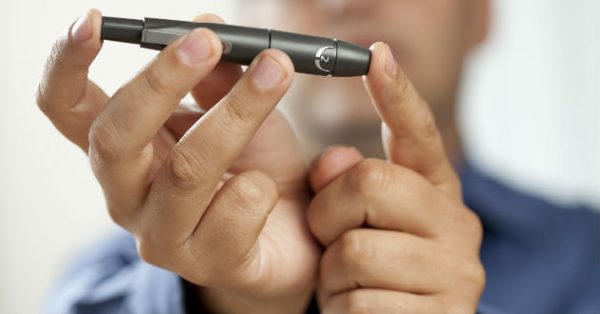
Diabetes at Work
Discuss with your doctor the type of work you do or whether you plan to change jobs. Some changes may need to be made to your diabetes treatment plan. Be sure to tell your doctor if:
- Works by driving a vehicle or operating hazardous equipment
- Works rotating shifts
- They have a very stressful job
You should be able to do almost any type of work with diabetes. But you may need to change your meal plan if you have a night job or a schedule that varies. You may also need to adjust the dose of your diabetes medications and your exercise plan according to your job.
Always keep a fast-acting carbohydrate snack on hand at work in case you have an episode of low blood sugar, as this can cause you to faint.
Dr. Gabriela Tórtolo, Ms. Sandra Villarreal and the Physical Education team.
Medical Centre
Posada del Qenti


Taking metformin for several years: What are the side effects?