
We are currently witnessing a high level of development, both in terms of frequency and intensity, of various viral agents, which in some cases constitute true pandemics. When we talk about a pandemic, we are referring to an increase in the number of cases that occur above the “expected” numbers for a certain time of year and outside a defined geographical area, i.e., “without borders.”

The etiological factor of these diseases is the virus, an infectious agent that has different types and, in turn, different serotypes within the same name (like different members within the same family).
A distinctive feature of these viruses is their ability to mutate, i.e., to change or combine, and also to vary their virulence or aggressiveness.
The main agents today are those that cause Coronavirus and Dengue. Therefore, it is very important to emphasize preventive measures.
In the case of Coronavirus.
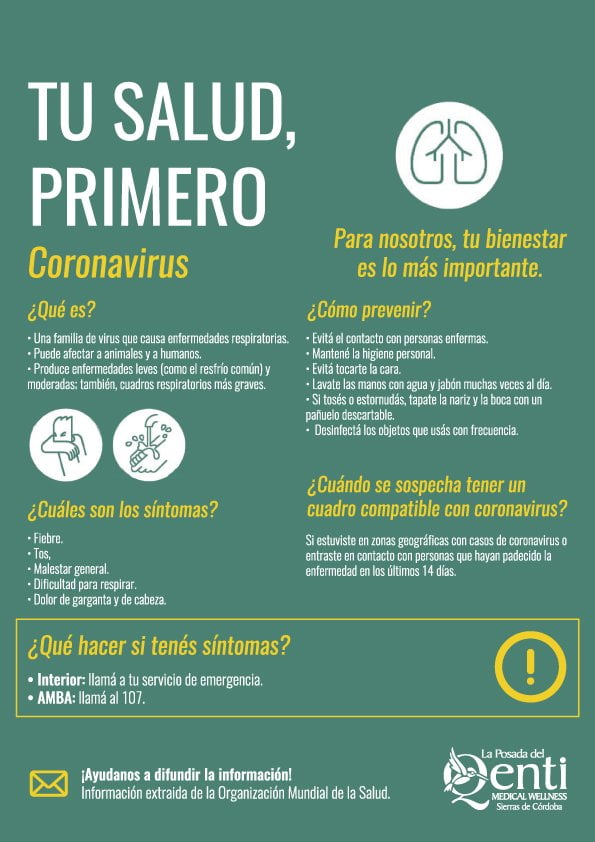
According to the WHO, coronaviruses (CoVs) are a large family of viruses that can cause a variety of illnesses, ranging from the common cold to more serious diseases, such as the coronavirus that causes Middle East Respiratory Syndrome (MERS-CoV) and the one that causes Severe Acute Respiratory Syndrome (SARS-CoV). A novel coronavirus is a new strain of coronavirus that has not been previously identified in humans.
The particular virulence that has been unleashed today is striking, possibly due to mutations resulting from infestations combined with other strains.
The symptoms of coronavirus are similar to those of other respiratory diseases, and the three most common are: fever, dry cough, and fatigue (but it is usually not accompanied by mucus production).
Thus, between 83 and 98 percent of coronavirus cases present with fever, while a dry cough affects between 76 and 82 percent of COVID-19 cases.
In addition, it is currently believed that COVID-19 symptoms could appear in as little as 2 days or up to 14 days after exposure.
In the case of Dengue:
Always transmitted by a vector (not from person to person), in this case the Aedes aegypti mosquito. Therefore, the key measures will be to combat the mosquito and to be alert to the presence of symptoms that suggest this disease in order to seek medical attention.
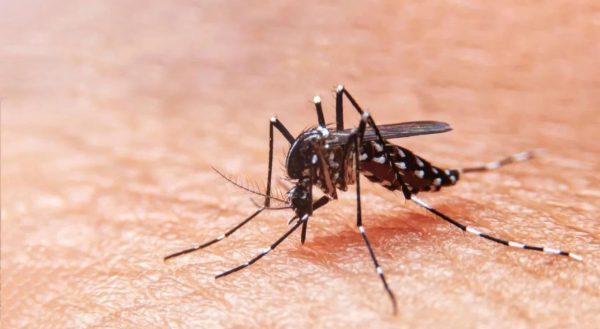
The main symptoms of the disease are: high fever, myalgia and arthralgia (muscle and joint pain), fatigue, headaches and especially retro-ocular pain, skin rashes, swollen lymph nodes, cold symptoms, and, in more severe cases, bleeding and shock.
- Dispose of any container with water (outside and inside the house), from a swimming pool to a vase (they develop in very small amounts of water).
- Use physical barriers (mosquito nets), insecticides or repellents (with caution), preferably natural (with citronella).
- Do not expose yourself during peak hours (morning and evening) without covering your body or being in places with a lot of vegetation and water.
- Do not take aspirin to avoid complications if you have a hemorrhagic strain. Use acetaminophen.
There are no vaccines or specific treatments for these diseases, but consulting a doctor will make it possible to make a differential diagnosis, implement palliative measures, and monitor progression to more severe organ involvement.
You should not panic about overestimating some symptoms or contacts.
We only need to be vigilant and take the recommended preventive measures.
Dr. Christian Leiva – MP 31209/1
Chief Medical Officer
La Posada del Qenti