Many times we ask ourselves: Why do I eat? Hunger? Boredom? Anxiety?. There are three systems that determine the act of eating.
One is the homeostatic or energetic need system; We eat to meet our body's energy needs. This “real hunger” generally occurs every 3 or 4 hours after the last meal (as long as the meals have been complete), hence the indication to eat 4 meals a day; breakfast, lunch, snack and dinner. When we eat the stomach distends and we begin to feel satiety (an inhibitory signal of hunger). Then when it empties, it secretes a hormone called Ghrelin that informs the brain of the need to eat food again; We can call this “real or physiological hunger.”
We also eat in emotional situations, stress, boredom, frustration, anger, etc. We bring the link between food and emotion from a very early age and continue to associate it throughout our lives.
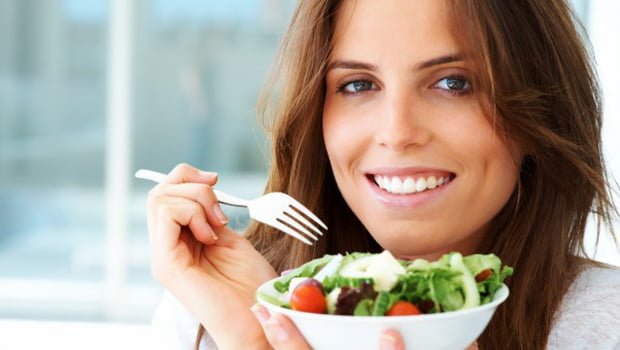
Eating food produces an increase in dopamine, a neurotransmitter that generates calm and pleasure. Nowadays stress is a determinant of large intakes: we use food as a “reward” after a long day of work and we lose control of what we eat.
Various studies show that in these situations we look for Carbofats or “comfort food” since these evoke a pleasurable state from a psychological point of view.
Most of the time when we eat when faced with undesirable emotions, we do so unconsciously; hence the difficulty of setting a limit and stopping eating. Dopamine equals comfort and pleasure, and also increases with physical exercise, recreational and outdoor activities. Everything that gives us pleasure, be it reading, writing, dancing, painting, singing, etc., increases our dopamine level.
The interesting thing would be to recognize ourselves in these states and not "cover" them by eating, since this only generates extra kilos, without solutions, after eating and reducing dopamine; the emotion will continue to be there and the only thing we generate by eating is to hide it for a limited time.
We must accept that we are born with the right to eat... and to eat deliciously! Because we also eat before the Hedonic, due to specific sensory signals, such as the “craving” of pregnant women.
Suddenly we feel an immense desire to eat chocolate or ice cream, or if we prefer salty, a raw ham, cheese and tomato sandwich. We must always remember that “everything prohibited generates more desire”. So, faced with this “specific hunger” enjoy, do not prohibit it, do it in a moderate way, savoring each bite, since when we “swallow” and do not use our senses we are exposed to excess.
We eat because we see, out of habit, because we have food within reach.
If we were more present when eating we could perceive and feel why we eat. When we begin to be aware of what and why we eat, we surely modify the size of the portions and the quality of the meals.
Achieving adequate and healthy weight loss is not just a matter of kilos. We must set our goal on changing the relationship we have with food. Eat according to the real need for calories and nutrients, to cover what our body needs day by day, eating 4 meals a day and choosing the healthiest, taking into account the hedonic, which manifests itself occasionally, without prohibitions or guilt, but with pleasure and moderation: if I eat just enough, there is no excess.
The key is to disassociate emotions from food. As? Seeking well-being and dopamine with other activities such as exercise, music, dance. For this, it is very important to create a safe environment in our homes and work. If we have a large availability of high-calorie, carbohydrate foods (cookies, ice cream, chocolates, pastries, snacks), we will most likely eat them because we see them.
So don't prohibit “the rich”… but don't have it in your house. Variety is the balance, changing prohibitions for moderation and the pleasure of enjoying each bite using all the senses, being present at meal times and not doing other activities while eating (such as watching television, working on the computer, talking on the phone, etc.), would be a great change for a healthier lifestyle.
Lic. María Soledad Del Boca
Nutrition area
La Posada Del Qenti.
Source: www.clarin.com
Consult with our specialists
[fc id=’32’ align=’center’][/fc]