
A few years ago, the consumption of eggs and other foods was demonized, but today we are debunking myths and teaching that there are no good foods.
and bad, but we need to learn how to consume them.
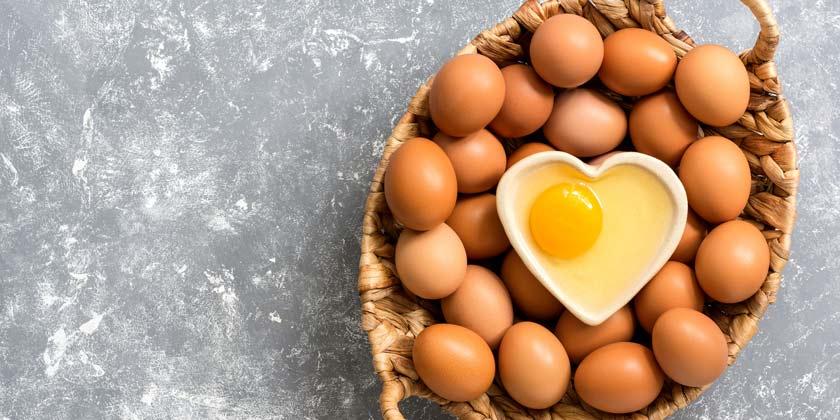
Eggs have cholesterol!!! Yes, like all foods of animal origin, but the effect that dietary cholesterol (ingested through food) has on plasma cholesterol levels (present in the blood) in healthy people is minimal and depends largely on individual factors such as genetics, body weight, or lifestyle habits (physical activity and smoking).
In terms of its composition, eggs contain 35% saturated fatty acids (SFAs) and 65% unsaturated fatty acids (monounsaturated and polyunsaturated). In other words, it is one of the foods of animal origin with the best fat composition.
It is rich in proteins with high biological value and contains no carbohydrates.
Eating eggs can also help prevent cardiovascular disease, both because of their nutritional value and because they replace foods with higher levels of saturated fat and calories (high-fat cuts of meat, processed meats), which have a negative impact on health.
It is an essential food for ovo-lacto vegetarian diets to be complete, due to its high content of vitamins B12 and D, and other nutrients (folate, iron, zinc) that are usually less present or bioavailable in plant-based foods.
You can eat up to one egg per day in various ways, such as in soufflés, omelets, poached, in salads, in fillings, and many more ways.
Sofia Lanzeni – MP: 3672
Nutrition Area
Posada del Qenti


Thank you for the information. This website is a great resource. Best regards!