
Worldwide, obesity is estimated to cause 4 million deaths per year. Likewise, a large part of the burden of non-communicable diseases can be attributed to excess weight, such as diabetes, ischemic heart disease, and certain types of cancer. There is extensive evidence of the association between the consumption of sugary drinks and cardiovascular disease, diabetes, metabolic syndrome, and death.
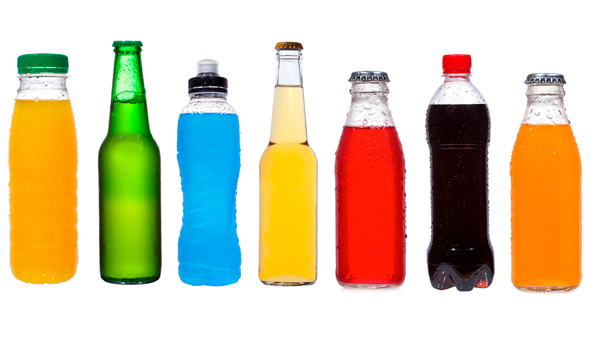
Over the past 20 years, the consumption of soft drinks and powdered juices has doubled in our country. This local evidence is consistent with the report from the Pan American Health Organization, which shows that Argentina, Chile, and Mexico lead the region in annual per capita sales of ultra-processed products.
In terms of sugar consumption, Argentina ranks fourth in the world, with around 150 g (30 teaspoons of sugar) consumed, compared to a recommended maximum of 50 g (10 teaspoons). Sugary drinks account for approximately 40% of this consumption, which correlates with the fact that Argentina leads the world in soft drink consumption, with 131 liters per capita.
Half of our hydration comes from beverages that contain large amounts of sugar, such as soft drinks, flavored waters, sports drinks, and artificial juices.
Considering the maximum amount of sugar per day (10 teaspoons), we know that drinking one glass of soda covers more than half of that amount. But soft drinks are, today, one of the most widely consumed beverages worldwide, especially among young people. Consumption begins at a very early age and increases during adolescence.
In addition to the risk of the other diseases we mentioned earlier, these beverages increase the risk of osteoporosis, dental problems, and kidney problems.
How can we find the sugar in sugary drinks?
When reading the ingredients on the product, we can find a variety of different names: sugar, sucrose, glucose, fructose, dextrose, high-fructose corn syrup (HFCS), etc.
It may be that we find this not only in soft drinks and juices, but also in dairy drinks, such as chocolate milk or yogurts, and plant-based drinks from well-known brands, which are part of our daily lives, assuming that because they contain fortified vitamins and minerals, they are healthier, while ignoring some harmful ingredients.
By limiting the consumption of sugary drinks and increasing the consumption of safe water, we prevent obesity, diabetes, and cardiovascular diseases.
Lic. María Belén Soria Urizar – MP 4047
Nutrition Area
La Posada del Qenti


HELLO, I AM HECTOR FROM FUNES, 20 KM FROM ROSARIO. I CONTACTED YOU ONCE BEFORE. I COULDN'T DO ANYTHING BECAUSE OF THE BUDGET. I DIDN'T HAVE ENOUGH MONEY AND I DON'T HAVE A CREDIT CARD. I PAY FOR MY PURCHASES IN CASH. I NEED TO UNDERGO THE TREATMENT TO LOSE WEIGHT. I NEED TO HAVE SURGERY ON MY MENISCUS AND FOR VARICOSE VEINS, BUT THIS CAN'T BE DONE BECAUSE OF MY WEIGHT, SEDENTARY LIFESTYLE AND MY JOB. ADDITIONALLY, THE QUARANTINE HAS CAUSED ME MORE PROBLEMS WITH MY OVERWEIGHT. MY QUESTION IS WHETHER YOU CAN SEND ME THE NUMBER OF DAYS OF STAYS THAT CAN BE DONE WITH THE PRICE, KNOWING THAT IT WILL BE PAID IN CASH. MY CURRENT WEIGHT IS 162 KG. THANK YOU IN ADVANCE.
Hector, we will reply to your email shortly.
Regards!
Hello … I am 75 years old and need to lose 20 kg. Could you tell me if any of your plans would suit my needs? If so, could you tell me how long I would need to stay there and how much the treatment would cost? Thank you very much.
María Teresa, thank you very much for your inquiry. We will send all the information to your email shortly. Best regards!