Fast food refers to foods that provide what nutritionists and doctors call "empty calories," i.e., foods with a high caloric content and low nutritional value, with a high percentage of simple sugars, sodium, saturated fats, and numerous food additives, such as flavor enhancers (monosodium glutamate) and colorings (tartrazine), all of which stimulate appetite and thirst, causing an addictive effect in our bodies.
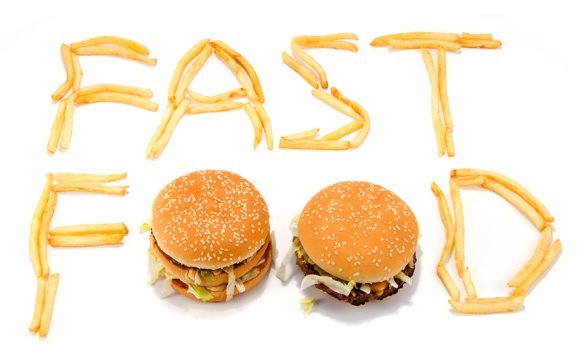
This stems from the industrialization of food, where economic interests are prioritized over the nutritional value of products that are easy to prepare and preserve, with a relatively low price, and that, thanks to advertising, are widely available and accessible to everyone.
Slow food or natural food is nothing more than a return to our roots to connect with each process of our food in order to nourish ourselves.
10 Tips for Switching from Fast Food to Slow Food.
- Canned foods lose fiber and essential nutrients, with preservatives and additives that hinder the absorption of nutrients such as iron. Legumes and vegetables have a high amount of sodium, and fruits have a lot of sugar to preserve them. Vegetables and fruits can be bought fresh, and most of them can be frozen. Legumes only need to be soaked.
- Soft drinks are high in sugar, and light or diet versions contain sweeteners that are now linked to diabetes. The best option is water or natural juices, which are more filling and provide essential nutrients.
- Cookies/pastries are rich in saturated fats, simple sugars, and high in sodium. They can be replaced with cereals, dehydrated fruits, and dried fruits.
- Fried foods contain a large amount of fat, which is made worse by the reuse of oil. Food should be steamed, boiled, or baked.
- Bread and doughs made with white flours, the most industrialized, and the "fluffiest" breads are the most hydrogenated. They contain fats and sugars. Switch to products made with wholemeal flours and a variety of seeds.
- Simple sugars The whiter they are, the more refined they are, and they only provide calories. If necessary, whole sugars, brown sugar, muscovado sugar, stevia and honey should be consumed.
- ALCOHOLIC BEVERAGES
especially clear spirits and sweet drinks. They only provide calories. Red wines and extra-brut white wines can be consumed in moderation. - Cold cuts and hard cheeses contain hydrogenated fats that raise cholesterol and make us gain weight. They can easily be replaced with lean cold cuts and fat-free cheeses.
- Desserts are made with simple sugars and creams. We need to get used to incorporating fruits as desserts.
- Sweets provide a lot of calories with simple sugars and fats, even in small portions. You can choose those that come without sugars, with few calories, even chocolates with high percentages of cocoa.
Dr. Gabriela A. Tortolo – MP. 24052
Clinical Physician – Specialist in Obesity and Sdre. Metabolic
La Posada del Qenti
Consult with our specialists
[fc id=’32’ align=’center’][/fc]