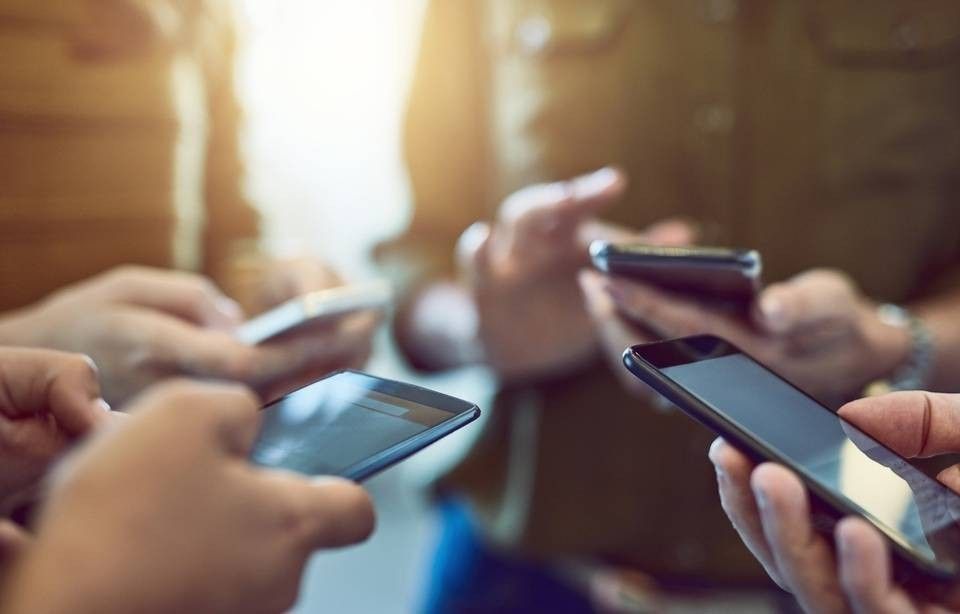
More screen time, less life time
Have you ever wondered how much it actually costs you to spend hours in front of your cell phone? Beyond time, the price can be your health... and even your life expectancy. Excessive cell phone use, especially more than 5 hours per day, has physical, mental, social and cognitive effects that, accumulated, can take years away from your life.
Physical effects: when your body takes its toll
Spending a lot of time in front of the screen affects your rest. The blue light from the cell phone interferes with the production of melatonin, the hormone that regulates sleep. If you use your phone before bed, you are likely to sleep less and worse. And poor sleep isn't just about being tired-it increases your risk of cardiovascular disease, type 2 diabetes, and obesity. Sleeping less than 7 hours per night chronically can take 1-2 years off your life.
In addition, the sedentary lifestyle associated with prolonged cell phone use also works against it. If you spend more than 5 hours a day on your phone, the cumulative physical impact can reduce your life expectancy by 1 to 7 years.
Mental and emotional effects: What you don't see also weighs on you
The cell phone not only affects your body, but also your mind. Using it excessively, especially on social networks, can increase anxiety, depression and the famous FOMO (fear of missing something). Studies show that reducing the use of nets to 30 minutes a day markedly improves mood.
Digital addiction is another risk. Each notification releases dopamine, generating a dependency that affects your concentration, memory and emotional well-being. Although it does not directly shorten your life, it can deteriorate your quality of life.
And don't forget the stress. Always being available, replying to messages or checking networks, raises your cortisol levels. Chronic stress damages the immune system, affects the heart, and can reduce your life expectancy by 2 to 4 years.
If you add all these factors together, the mental and emotional impact of excessive cell phone use can take away between 2 and 8 years of life.
Social effects: connected, but alone
Paradoxically, the more time you spend connected, the further away you get from others. Excessive cell phone use reduces face-to-face interactions, weakens your bonds, and increases feelings of loneliness. And loneliness is not a minor detail: it has an impact on health comparable to smoking or obesity, and can take away between 3 and 7 years of life.
In addition, cell phone use during social times-such as family meals-disrupts communication and impairs relationships. In adolescents, heavy social media use is also linked to cyberbullying, anxiety, and in extreme cases, suicidal thoughts.
Cognitive effects: Your attention also wears out
Being on your phone all day affects your attention span, memory, and executive functions. Constant multitasking and digital dependence reduce your mental performance. Although these effects do not directly shorten your life, they can make it less full and increase the risk of neurodegenerative diseases in the long term.
New disorders such as "selfitis" (obsession with selfies) also appear, reflecting low self-esteem and growing anxiety. There is no concrete data on their impact on longevity, but they do aggravate your mental health.
How much is your cell phone?
There is no exact formula, but studies allow estimating the impact according to the time of use:
- 1–2 hours daily: moderate use, no significant impact. It can even be beneficial if used for positive purposes.
- 3–5 hours daily: already associated with insomnia, anxiety and sedentary lifestyle. It can take 1-3 years away from your life.
- More than 5 hours daily: effects intensify. In extreme cases, you could lose between 5 and 10 years of life.
- More than 9 hours a day: all risks are aggravated. The cumulative impact could reduce your life expectancy by 7-12 years.
What can you do to protect yourself?
It is not a question of demonizing technology, but of using it consciously. Some simple recommendations can help you reduce your impact:
- Limit cell phone use to less than 2 hours a day for non-essential activities.
- Avoid screens for at least 1–2 hours before bed.
- Encourage outdoor activities and face-to-face gatherings.
- Turn off unnecessary notifications to reduce stress.
- Try having “tech-free days” or screen-free spaces.
The more time you spend on your phone, the more the negative effects accumulate on your body, mind, and relationships. Moderate use doesn't pose a risk, but if you spend more than 5 hours a day on your phone, you could be sacrificing years of your life without realizing it. Choose balance. Your health — and your time — are worth more than any screen.

