Cholesterol is a fatty substance (lipid) that is essential for life, as it is a component of all the cells in our body. Most cholesterol is produced in the liver (75%), and the rest (25%) comes from food. When cholesterol levels in the blood rise excessively (hypercholesterolemia), it is harmful to health.
Is there good cholesterol and bad cholesterol?
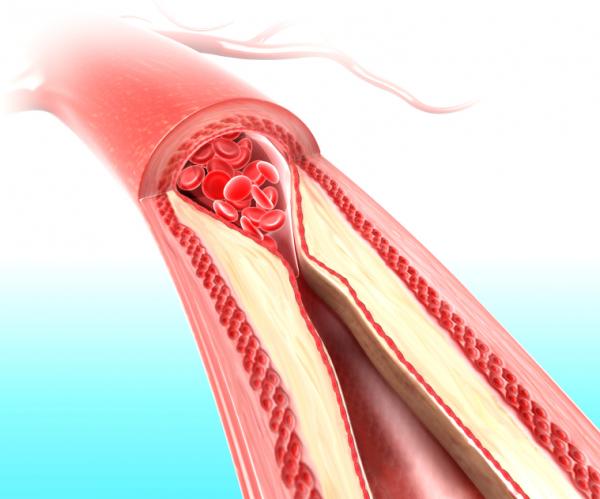
All cholesterol is transported in the blood through different particles (lipoproteins). There are different types, but the best known are LDL and HDL. LDLs (low-density lipoproteins) are responsible for transporting cholesterol from the liver to all the cells in the body. The cholesterol bound to them is called "bad" cholesterol because, since it is low-density, it deposits on the walls of the arteries and forms atheroma plaques that gradually clog them. HDL lipoproteins (high-density lipoproteins) collect unused cholesterol from tissues and return it to the liver for storage or elimination. The cholesterol bound to them is called good cholesterol.
What causes excess cholesterol in the blood?
Cholesterol disorders can be genetic or secondary to diet, a sedentary lifestyle, alcoholism, or certain conditions such as hypothyroidism, type 2 diabetes, obesity, anorexia nervosa, etc., as well as treatment with certain medications.
What symptoms does excess cholesterol in the blood cause?
Excess cholesterol can be deposited in the arteries that supply the heart (coronary arteries), the brain (carotid, vertebral and cerebral arteries) and the lower limbs (iliac and femoral arteries).
Initially, cholesterol deposits in the arteries do not cause any symptoms, but over time they can narrow the arterial lumen, reducing the flow of blood to the tissues. This can lead to serious consequences such as angina pectoris or a myocardial infarction, a stroke, and peripheral arterial disease of the lower limbs. Depending on which artery becomes blocked.
How do I treat high cholesterol?
Consulting a nutritionist, avoiding being overweight, increasing physical activity, and, if necessary, the doctor will prescribe lipid-lowering medications to control total cholesterol, triglycerides, and LDL (bad) cholesterol, and to increase HDL (good) cholesterol.
How cholesterol is distributed in foods
Día a día nos encontramos con las dudas de no saber donde se encuentra el enemigo acechante del colesterol y muchas veces no queda claro en qué alimentos está presente.
En principio es importante saber que esxiten 2 tipos de grasas las grasas Saturadas y las Insaturadas. Las Saturadas son grasas sólidas en estado natural, éstas se encuentran en las carnes de color amarillo, como la piel del pollo, los fiambres, embutidos, chacinados (chorizo, salame, mortadela), conservas de carnes como viandada o picadillo, los lácteos enteros, crema de leche, helados a base de cremas, chocolates y panificación a base de mantecas. Este tipo de grasas nombradas anteriormente son de origen animal y afectan de manera negativa el organismo llevándolo a una hipercolesterolemia.
Las grasas Insaturadas de origen NO animal se dividen en 2 grupos; Grasas monoinsaturadas que favorecen la reducción del colesterol y se encuentran en alimentos tales como el aceite de oliva, el aceite de canola y frutos secos (nueces, almendras, pistachos, etc.). También están las grasas poli insaturadas que también favorecen la reducción del colesterol y s eùeden econtrar en aceites de pescado, girasol y soja.
Por otra parte tenemos las grasas trans, que se desprende de los 2 grupos anteriores, siendo éstas aceites de origen vegetal tales como soja o girasol que han sido modificados en su estructura molecular por un proceso de hidrogenación, obteniendo las famosas grasas margarinas las cuales son muy usadas en los productos de pastelería y panificación o frituras, este tipo de grasas favorecen el desarrollo del colesterol «malo» (LDL) y están tan presentes en nuestras comidas diarias.
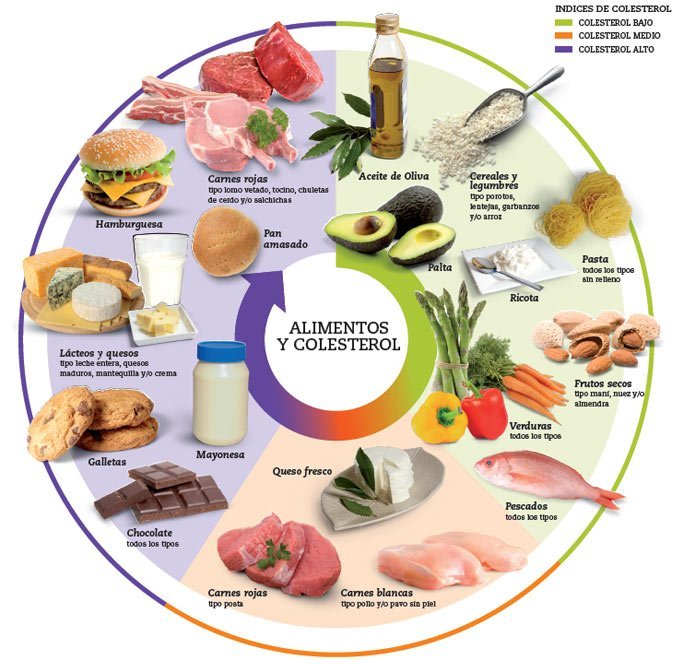
Es conocido que la ingesta de fibra (presente en frutas, verduras, cereales integrales, legumbres, etc.) atenúa la elevación de la glucemia después de las comidas cuando se consumen carbohidratos (almidones), pero también debemos consumir este tipo de fibra antes de comidas con grasas saturadas presentes ya que producen efecto arrastre en el lumen intestinal disminuyendo la absorción de las mismas. Con estos aportes esperemos colaborar a la formación de nuestro plato cotidiano.
Dra. Gabriela Tórtolo y Lic. Sandra Villarreal
Medical Centre
Posada del Qenti
Consult with our specialists
[fc id=’32’ align=’center’][/fc]