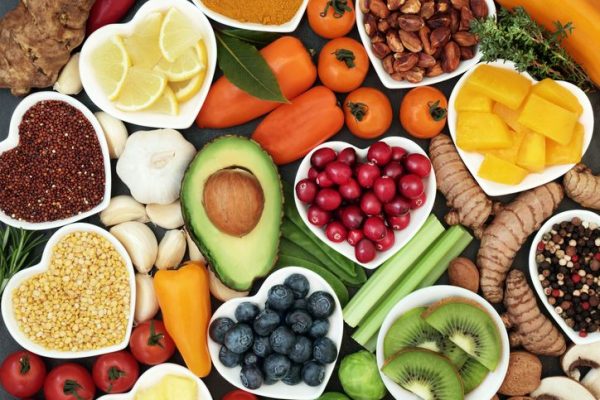
Dietary fiber, also known as dietary or dietary fiber, includes the parts of plant foods that the body cannot digest or absorb. It is of plant origin so it is found in vegetables, fruits, legumes, and whole grains.
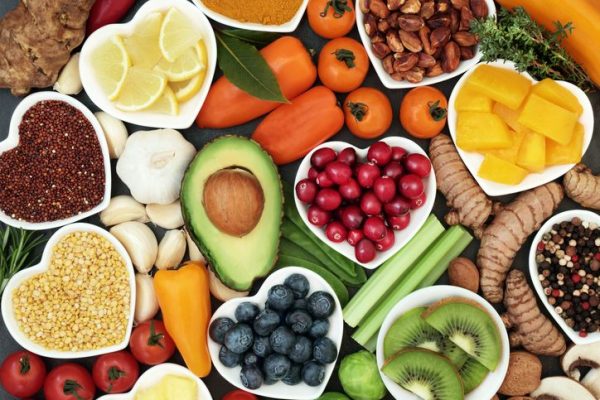
However, currently with the advancement of technology and industry, fiber has been incorporated into different products. In this way, dairy, pasta or biscuits can be found with a considerable amount of dietary fibre.
According to the Food and Agriculture Organization of the United Nations (FAO) and the World Health Organization (WHO) and the Dietary Guidelines for the Argentine Population (GAPAs), it is recommended to consume 5 servings of fruits and vegetables a day in addition to choosing whole grains and incorporating legumes whenever possible. In this way, we would be consuming the recommended 20 – 30 grams of fiber per day.
Recomendaciones para aumentar el consumo de fibra:
• Consuma frutas y verduras con cáscara o piel, ya que tienen un gran contenido de fibra.
• Elija consumir la fruta entera y no solo sus jugos. El jugo de frutas tiene menor cantidad de fibra que la fruta entera.
• Tener en cuenta el tiempo de cocción. Recuerde que cuanto más cocine el alimento, menor será su contenido de fibra.
• Incorpore semillas de lino, chía, sésamo, u otras, en sus comidas. Las semillas tienen gran cantidad de fibra.
• Consuma panes y galletitas elaboradas con harinas de granos enteros.
• Prefiera las versiones de panes, arroces o pastas integrales antes que sus versiones refinadas.
• Incorpore en su alimentación las legumbres como lentejas, arvejas, porotos, garbanzos.
Lic. María Belén Soria Urizar – MP.4047
Nutrition Area
La Posada del Qenti


Me encantaría seguir una alimentación que me guie
Quisiera saber tratamientos para la combatir la flacidez y celulitis. Gracias.
BUENAS TARDES- TENGO DIVERTICULOS Y ME HAN ACONSEJADO NO COMER SEMILLAS , NI VERDURA CRUDA Y FRUTAS CON CASCARA. TODO AL VAPOR. ADEMAS SOY OPERADA DE PANCREAS HACE 13 AÑOS EXTIRPANDO CABEZA DE PANCREAS Y ESTOY PERFECTAMENTE PERO TOMANDO PREVIO A COMER COMPRIMIDOS CREON (ENCIMAS ESPECIFICAS)Y NI GRASAS NI FRITOS.
CONSULTA: QUE PUEDO COMER PARA MANTENER INTESTINO CORRIENTE CON MATERIA FECAL BLANDA PUES TENGO HEMORROIDES .
GRACIAS Y ESPERO RESPUESTA
Buenas tardes. El tema en consulta es que puedo comer para mantener intestino corriente a diario con materia fecal blanda ya que tengo hemorroides. Ademas he sido operada de pancreas hace 13 años. Se extirpo cabeza de pancreas y quede perfectamente. No puedo comer grasas ni fritos ni verduras crudas ni semillas por tener diverticulos y frutas y verduras con cascara. Gracias
Hola Heidi, para esta y muchisimas otras consultas contamos con nuestros planes de telemedicina, podes ingresar a online.qenti.com y enterarte de todas nuestras opciones. Saludos!