
Aromatic herbs not only protect us when it comes to reducing salt in our diet, but also because of the amount of beneficial substances they provide. In the new guidelines of the Mediterranean diet pyramid, the inclusion of herbs and spices is suggested as part of a healthy diet.
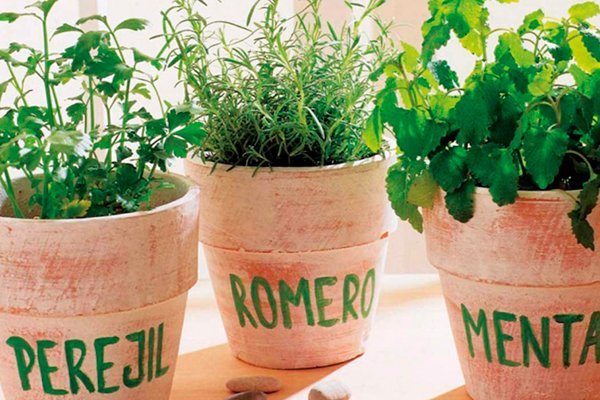
Since ancient times, species have been used to flavor dishes, preserve and protect food, among other things. The WHO recognizes the positive effect on health and shows scientific evidence on the therapeutic power of some species on blood pressure, antibacterial, antitumor effect and on plasma lipid levels. Some of these are;
- Garlic, complete for the treatment of dyslipidemia (elevated lipids) and prevention of atherosclerosis;
- Ginger, prophylaxis in case of nausea and vomiting. People on anticoagulation and who have gallstones should avoid it.
- Onion, excellent food for the prevention of vascular disorders and in cases of loss of appetite.
- Mint, although there is no scientific evidence, it is associated with the treatment of dyspepsia and intestinal colic.
- Paprika, due to its flavonoid content, has a bactericidal effect, which explains why it is used to preserve food for longer.
- Basil, parsley, oregano, sage and rosemary, are rich in polyphenols and trace elements, phytochemicals with antioxidant power.
It is always preferable to use fresh herbs to keep the properties of their active components intact.
Think of aromatics as part of a healthy diet, rich in natural antioxidants and nutritional principles, to season, decorate and highlight the flavor of foods; avoiding excess and consumption as self-medication.
Fresh, aromatic, essential, natural, ancient and with antioxidant power, there are many of them, encourage yourself to use them in your meals.
Soledad Del Boca – MP. 1998
Nutrition Area
La Posada del Qenti


Is ginger contraindicated for people with hypertension? Thank you very much. Best regards.
Hello, dear Silvia. Ginger does not affect blood pressure. It is a thermogenic food, which means that it can raise body temperature when consumed, without changing blood pressure. It is a powerful anti-inflammatory and antioxidant.
Good morning. I would be interested in receiving information. My husband and I stayed there, and we really liked it. Thank you. Best regards, Silvia
Silvia, thank you for your question, you will be receiving all the information in your email. Greetings!
HOLA,,,,Deseo recibir información sobre promociones para 2, he concurrido hace años con promoción Club La Nación,,,quisiera regresar pero en la actualidad nos resulta económicamente muy caro.
Muchas Gracias
Estela
Estela, thank you for your inquiry. You will receive all the information by email. Best regards!
I would like to receive information. Thank you.
Raquel, thank you for your inquiry. You will receive all the information in your email. Best regards!
Hola , quisiera recibir información de plantas aromáticas .
Agradezco su respuesta .
Saludos cordiales
Marcela Romero .
Marcela, te invitamos a ver nuestra sección de alimentación saludable: https://www.qenti.com/alimentacion-saludable/
Allí encontrarás más información. Saludos!
Good afternoon! Could you send me information about the treatments? Thank you very much!
Carolina, thank you for your inquiry. You will receive all the information by email. Best regards!
Muchas gracias por tan muy buen infohme…Felicitaciones….
Muchas gracias por el informe…Sara B.ROMERO.
Pueden enviarme información sobre costos de una estadía de 7 días con plan de adelgazamiento all inclusive y anti estrés. Es para una sola persona. Muchas gracias.
We will send the information to your email. Best regards!
Hola! me interesaría saber cuanto sale una semana para un matrimonio, con el plan de descenso de peso. Muchas Gracias
Olga, gracias por su consulta, estará recibiendo toda la información en su correo. Saludos!
Quiero adelgazar 30 kilos. Necesito información
María, thank you for your inquiry. You will receive all the information by email. Best regards!