Pasta can be made from various grains, but the most common is wheat: soft and durum. If soft wheat is ground, flour is obtained, which is used to make bread, while grinding durum wheat yields semolina for making pasta. Pasta can also be made with soft wheat, but it would be of lower quality, with a high starch content.
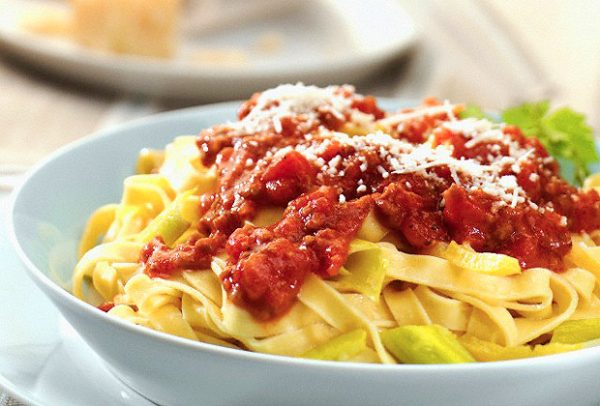
Between 60% and 70% are made up of slow-absorbing carbohydrates (starch), 12% – 13% are proteins (gluten), and each 60 g (serving for one person) provides 200 kcal, with almost no fat content. They are the fuel for our body, necessary to power the muscles, as they are burned during exercise and provide fewer calories than fats.
Pasta provides quick energy for the body and is not stored as reserve fat, unless the portion eaten exceeds what is needed, its preparation, cooking and/or accompaniments are based on fat, or we do not engage in physical activity after eating it.
Overcooking, adding oil to the pasta water to reduce viscosity, and adding a meat- and/or cream-based sauce when serving will result in the highest percentage being stored as fat in the body, since pasta acts like a sponge and will absorb the added fat. On the other hand, the addition of fiber, either in the composition of the flour or in vegetables as a side dish, will make carbohydrates available as energy for many hours of the day, causing a feeling of satiety, just like gluten.
This is why it is more advisable to eat rice and pasta at lunchtime, because this way, we have the afternoon/evening to burn off the sugar into which carbohydrates are converted, the only valid source of energy for the brain. But the solution lies in the amount. Keep in mind that the portion to be eaten will depend on age, weight, and level of physical activity.
If you want to eat rice or pasta for dinner, they should be in small portions, prioritizing vegetables, and avoiding adding fats to them.
Dr. Gabriela Tórtolo
Metabolic syndrome specialist
La Posada del Qenti
Consult with our specialists
[fc id=’32’ align=’center’][/fc]