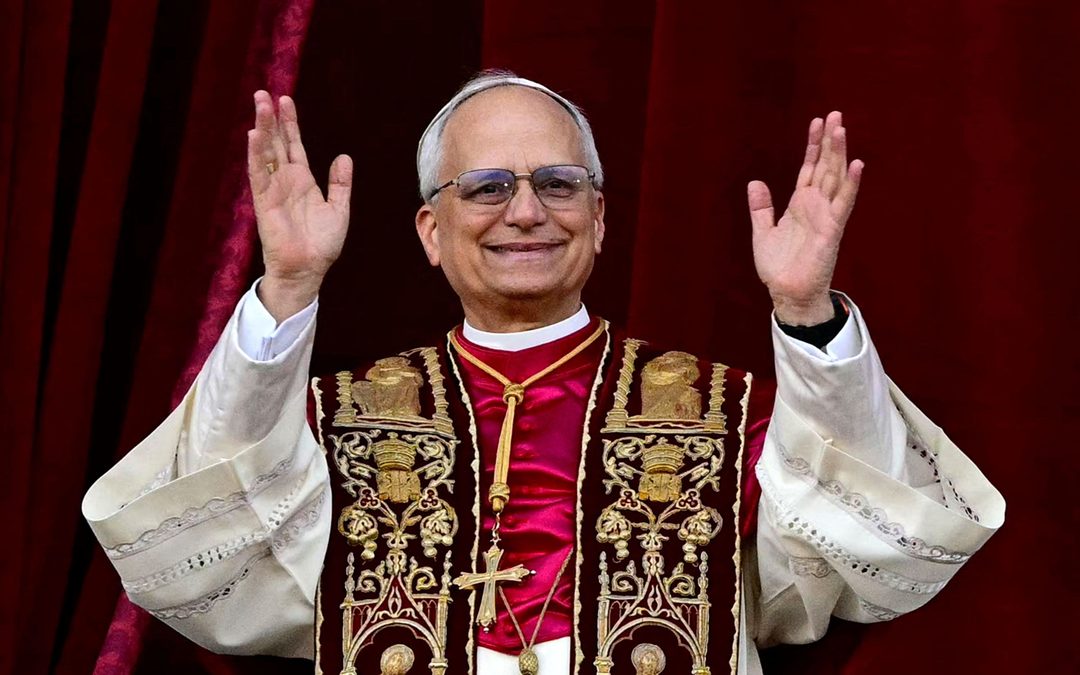

The nodule that doctors found for the Pope at a routine checkup put the focus on lung health. In Argentina, lung cancer takes more than 10,000 lives per year; nine out of ten people who suffer from it smoke or smoked, and quitting smoking is the most effective prevention measure.
On Sunday, October 11, at the end of the Angelus, Pope Leo XIV said that during medical checks a small nodule had been found in his lung, detected at a very early stage and well located. On the advice of his doctors, he decided to have surgery to remove it at the Gemelli Polyclinic in Rome.
Este hecho deja una enseñanza clara: el hallazgo no surgió por un síntoma, sino por un chequeo preventivo de rutina. Y en el cáncer de pulmón, encontrar una lesión en etapa temprana puede cambiar por completo la historia.
The theme comes at a special time: November is the month of awareness about lung cancer, with its World Day on the 17th, and it is also the month in which the Pope plans to visit Argentina. It is the cancer that causes the most deaths in the country: according to the National Cancer Institute, more than 10,600 per year, about 16% of all cancer deaths.
The relationship with tobacco is direct. Nine out of ten people with lung cancer are smokers or were smokers. The World Health Organization points out that smoking accounts for more than two-thirds of deaths from this disease in the world, and that breathing secondhand smoke, at home or at work, also increases the risk.
One of the problems with this cancer is that it usually progresses silently. When symptoms appear, many times it is no longer in an initial stage. That is why it is advisable to consult the doctor in the event of a cough that does not go away or what changes from the usual one, coughing up blood, shortness of breath or wheezing, chest pain, persistent hoarseness, fatigue or weight loss for no apparent reason, or bronchitis and pneumonia that recur.
Como muestra el caso del Papa, los controles periódicos permiten encontrar lesiones antes de que den señales. Si fumás o fumaste mucho durante años y tenés más de 50, hablá con tu médico sobre la posibilidad de hacerte una tomografía de baja dosis. Las sociedades de medicina respiratoria del país insisten en sumar este control a los chequeos de rutina.
And there's good news: it's never too late to quit. Ten years after the last cigarette, the risk of lung cancer drops by half. Those who quit smoking at age 50 halve their risk of dying prematurely. And for those who already have a diagnosis, quitting improves response to treatments.
Quitting smoking is not just a matter of willpower. Nicotine generates a real addiction, which is why the chances of achieving it are much greater with professional support.
Seven days to quit
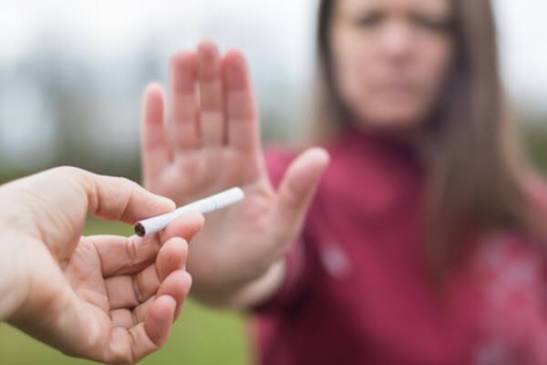
Our Anti-Smoking program accompanies those who have decided to stop smoking or reduce their consumption. Nine out of ten guests who do it quit or kick the habit in just seven days.
The program is led by a top-notch team, clinicians, nutritionists, pulmonologist, and psychologist. Upon arrival, the team contacts each person to accompany their decision. During the stay, the degree of addiction is measured, a comprehensive assessment is made (pneumonological
ica, nutritional, postural and aesthetic, with thermographic scanning of the spine) and a tailor-made plan is designed.
The accompaniment continues in the later stage, when anxiety, stress or changes in sleep may appear. Everything happens in our private ecological reserve of more than 400 hectares, with fresh air, healthy eating and physical activity, an environment that helps break with the routine associated with cigarettes.
If this is the year you want to quit, or you know someone who has been procrastinating, share these lines. Taking care of your lungs starts with today's decision.
More information: www.qenti.com · 0810 345 5656 · [email protected]